High Wycombe removals in High Wycombe for house, flat and office moves

We provide removals in High Wycombe for people and businesses who want a clear, organised move handled with care. The service covers household removals, office relocation work and practical moving support for items that need lifting, loading and transport. If you are moving within the town or heading further afield, our aim is to keep the process orderly, with the right vehicle and the right amount of support for the job.
Our removals service is built around the move itself rather than a one-size-fits-all approach. Some customers need a full house move with furniture, boxes and fragile belongings; others only need help with selected pieces, a van and loading support. We can also support moves where packing help is needed before the main day. The service is designed to make the journey from old address to new address more manageable and less disruptive.
From the first enquiry, it helps to know roughly what needs to move, when the move is planned and whether there are access issues such as stairs, narrow roads or limited parking. That information allows us to shape the job sensibly and suggest the most suitable option from our removals range. Clear information at the start usually leads to a cleaner plan later, especially where larger furniture or multiple rooms are involved.
House removals for moving day planning
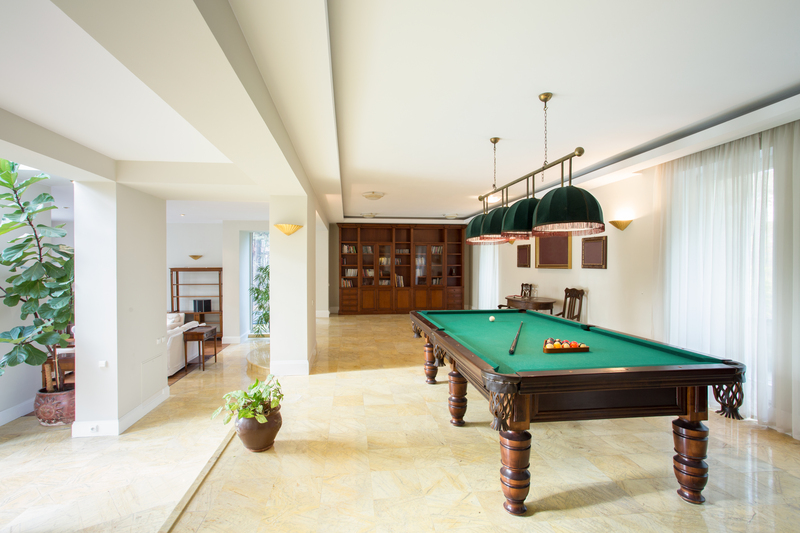
House removals often involve more than simply shifting furniture. Boxes, appliances, wardrobes, beds, dining sets and smaller personal items all need a sequence that keeps the property usable until the end of the move. We can handle moves for flats, terraced homes, family houses and properties with awkward access. The emphasis is on moving each item in a controlled way rather than rushing everything at once.
For many home moves, the most useful part of the service is having a team that can load efficiently and think through the order of items in the vehicle. Heavier goods normally travel lower and more secure, while lighter and more delicate belongings are positioned with care. If you are comparing moving options, look not only at the vehicle size but also at how the move will be packed, protected and unloaded at the destination.
What a typical home move may include
A domestic removal can combine several tasks depending on the property and the amount of belongings involved. Common examples include:
- loading furniture and boxed belongings from one property
- transporting white goods and larger household pieces
- placing items in the rooms you specify at the destination
- supporting a straightforward partial move when only selected items are being relocated
Packing and loading support before transport

Packing and loading are often the stages that make the biggest difference to the success of a move. Good packing helps reduce movement in transit, while careful loading helps protect corners, surfaces and more delicate contents. We can support customers who want some or all of this work handled alongside the removals service, rather than managing it alone in the final hours before departure.
Where packing help is chosen, the focus is on sensible protection and tidy preparation. That might mean wrapping breakables, grouping similar items together and keeping essential belongings easy to identify when unloading begins. It is usually better to pack room by room than to mix unrelated items, because this keeps the move clearer when boxes are stacked and unpacked. We can also assist with awkward or bulky objects that are difficult to move safely without help.
If you are preparing for a quote, it helps to think about whether your move needs full packing, partial packing or only loading support. A simple list of major furniture, boxes and special items is often enough to begin the conversation. Photographs can be useful where access is tight or the amount of furniture is difficult to describe in words, but a careful description is just as valuable. If you are ready to discuss the move, please ask for a quotation.
Office removals and commercial relocation work
Office removals call for a slightly different approach because the priority is often to move equipment, furniture and paperwork with limited disruption to work. We can support smaller office moves as well as larger commercial relocations, depending on the amount of stock, furniture and equipment involved. Desks, chairs, storage units, filing items and boxed contents all need handling in a way that keeps them organised for the new premises.
In a commercial move, sequence matters. Teams often need to move furniture, devices and documents in a planned order so that essential items are available first at the destination. It also helps to separate general office furniture from sensitive equipment or items that should stay together. A move of this kind may involve early start times, timed access or multiple collection points, so the plan should be practical rather than rushed.
When booking office removals, it is worth deciding whether there are items that need special handling, such as monitors, archive boxes or furniture that must be reassembled after transport. A straightforward inventory helps the move stay clear and can reduce the chance of leaving smaller pieces behind. If the move is business critical, it is sensible to set out the order in which the main items should arrive at the new site.
Furniture pick-up and smaller removal jobs

Not every removals job involves a full property move. Sometimes the task is a furniture pick-up, a single bulky item or several pieces collected from different places and brought to one address. This type of work can be useful when you have bought second-hand furniture, need items moved into storage or want help with objects that are too large for a standard car.
Small-scale removals still benefit from planning, particularly where access is awkward or the item is heavy, long or awkwardly shaped. Sofas, wardrobes, tables and beds can be difficult to manoeuvre through stairwells and tight corners, so the route matters as much as the lifting itself. Using a removals team for a smaller job can save time and reduce the risk of damage to the item or the property.
There is often a practical choice between a single-item collection and a broader man and van style service. The right option depends on how many items need moving, how much loading support is needed and whether you want transport only or help at both ends. For jobs with mixed contents, a careful list is usually the best starting point before requesting a quote.
Vehicle choice, access and the shape of the job
The right vehicle is a major part of any removal, because it affects how securely the load can travel and how many journeys are needed. Some moves work well with a moving van, while others require a larger removal vehicle for furniture and mixed household contents. Choosing the vehicle type should depend on the actual items, not just on the number of rooms being moved.
Access also affects the work on the day. Narrow streets, shared entrances, upper-floor flats, long carries and limited parking can all influence how the move is arranged. In some cases, it is more efficient to use a smaller vehicle and make the loading area easier to reach; in others, a larger van reduces the number of transfers. The aim is to match the setup to the property rather than forcing a generic plan.
If you are unsure what size of move you have, the most useful information is often a simple room-by-room outline. Note the larger furniture first, then boxes, then any pieces that need extra protection or disassembly. That gives a clearer picture than a rough guess. A short, accurate summary makes it easier to judge what sort of removals support is likely to suit the job.
About High Wycombe
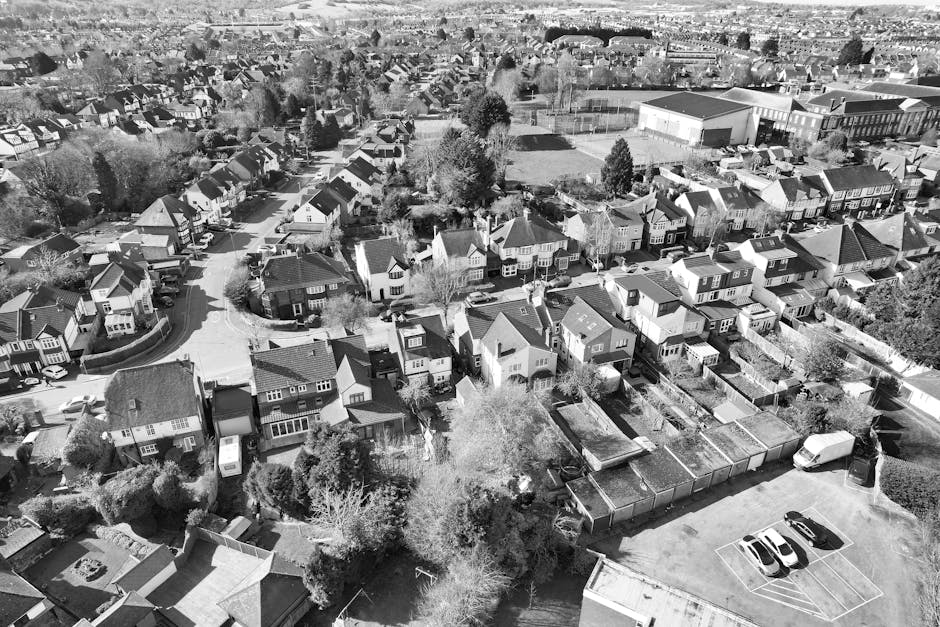
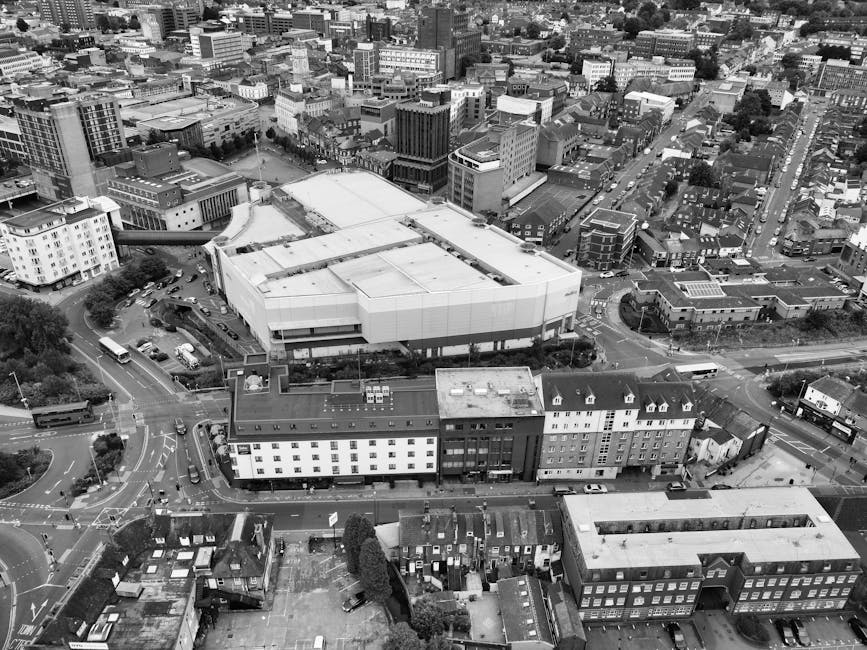
High Wycombe is a large market town in Buckinghamshire, set in the valley of the River Wye and shaped by the steep sides of the Chiltern Hills around it. The town grew from an early settlement into a manufacturing centre, and for much of its history it was especially associated with furniture making and chair production. That industrial past still appears in the town’s character, with older streets, civic buildings and a pattern of development that reflects both market-town origins and later expansion. The parish church of All Saints stands as one of the town’s notable landmarks, while the historic core includes streets and buildings that show the age of the settlement. High Wycombe also has a modern commercial centre, with retail streets, transport links and public facilities serving a wider area of south Buckinghamshire. The town sits close to woodland and open countryside in the Chilterns, and the surrounding landscape is one of its defining features. The River Wye runs through the town and the valley has helped shape both movement and settlement over time. There are parks and green spaces within and around the built-up area, and the town’s setting has long linked urban life with the nearby hills. Cultural life includes local theatres, leisure facilities and community venues, while the town’s history is reflected in museums and preserved civic heritage. Together these elements create a place that combines market-town tradition, industrial history and modern everyday activity in one centre.
Pricing factors and what shapes a removal quote

Removal costs are shaped by the work involved, not by a single fixed formula. The main factors usually include the amount of furniture and boxes, the distance between addresses, the access at each property and whether packing or dismantling support is needed. Some moves are straightforward point-to-point transport, while others require more labour because of stairs, tight spaces or heavier belongings.
It is also sensible to think about timing and complexity. A move with many fragile items, multiple collection points or a need for furniture handling may take longer than a simpler load-and-go job. The best quotation is usually based on an honest description of what is actually being moved. If there are items you are unsure about, mention them anyway; it is better to clarify early than to overlook something important.
For a more accurate quote, keep the details practical and simple: what needs moving, where it is going and any access points that could affect loading. Good preparation does not need to be complicated, but it does need to be complete enough for the move to be priced sensibly. When you are ready, a clear enquiry is the best next step.
Removals support for different types of move
We can support several kinds of removal work, from household moves to office relocation and smaller item transport. Some customers need a complete service that includes loading, transport and unloading. Others only need the moving vehicle and practical help with heavy pieces. The service can be adjusted to suit the amount of preparation you have already done and the level of assistance you want on the day.
Where a move includes mixed contents, it often helps to separate the items into groups before the day arrives. Furniture, boxes, fragile pieces and anything that must remain accessible should each have a place in the plan. The more clearly the work is organised, the easier it becomes to load securely and place items sensibly at the destination. If there are items that need special wrapping or a specific delivery order, it is best to mention that before booking.
Our removals work is intended to be practical rather than over-complicated. If you need house removals, office removals or assistance with a smaller furniture collection, the next step is to outline the job and ask for a quotation. Plain details are enough to begin, and they help us suggest the most suitable moving option.
Preparing for the day and deciding what to include
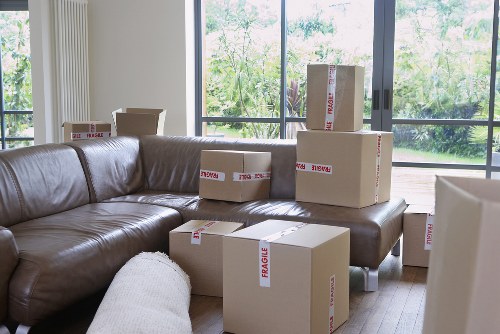
A move goes more smoothly when the customer and the removals plan are aligned before the van arrives. That can mean labelling rooms, separating essentials from non-essentials and deciding which items should be loaded first. It may also mean identifying anything that must travel separately, such as documents, valuables or items you want to keep with you. These simple decisions make the move easier to manage once the loading begins.
If you are comparing options, think about whether you need a full-service move or a lighter arrangement with only selected items transported. Some jobs are best suited to a more complete removals package, while others are simpler and can be handled with fewer hands. The key is to avoid paying for more than the move requires while still making sure the work is done safely and in the right order.
Ask for a quotation when you are ready to move forward, and include the main furniture, access details and preferred timing. If you would like to discuss household removals, office relocation or a smaller collection, use the contact route on the site and send the essentials first. That gives a clear starting point for planning the job properly.