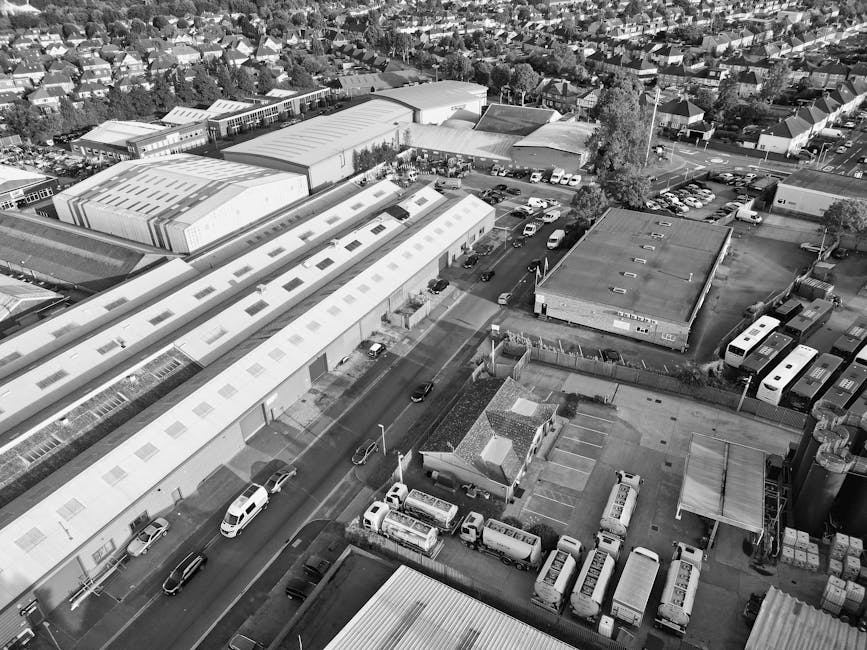
Desborough Road High Wycombe removals access tips
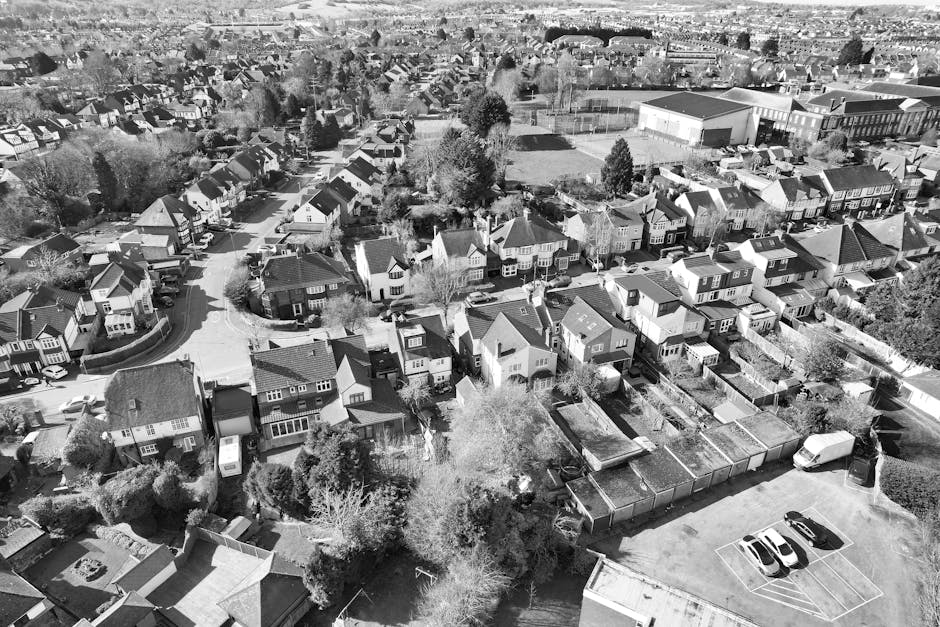
If you are planning a move on or near Desborough Road in High Wycombe, the access side of the job can make all the difference. A good removal day is rarely just about boxes and a van; it is about timing, kerb space, stairs, narrow entrances, awkward corners, and whether the crew can actually get close enough to the property without causing a headache. These Desborough Road High Wycombe removals access tips are here to help you avoid the kind of small delays that snowball fast. Truth be told, most "difficult moves" are not difficult because of the furniture. They are difficult because access was underestimated.
In this guide, you will find a practical, local-first approach to planning around the road layout, loading considerations, parking, property type, and the little things that catch people out. You will also see when it makes sense to book a larger vehicle, a man and van setup, or a more fully managed option such as house removals. If you are moving a home, flat, or small office, the advice below will help you think ahead and make better decisions. And yes, it really does save time. Sometimes quite a lot.
Why Desborough Road High Wycombe removals access tips Matters
Access planning matters because removals are a logistics job first and a lifting job second. If the vehicle cannot stop safely, if there is nowhere to turn, or if the walk from van to front door is longer than expected, everything slows down. That affects labour time, handling risk, and sometimes the price of the move. It can also affect how relaxed the day feels. And let's face it, moving day already has enough noise in it without someone muttering about double parking and the sofa being stuck half-way through the hallway.
Desborough Road can present a mix of residential entrances, on-street parking, side roads, and variable traffic flow depending on the time of day. So the key question is not just "Can a removal vehicle get there?" but "Can it get there, park or pause safely, load efficiently, and leave without drama?" That's the practical standard to aim for.
Good access advice also helps you choose the right service. A compact move with a few items may suit local removals support or a flexible removal van. A larger family home with furniture, appliances and multiple rooms may need a larger team and vehicle. Knowing that early helps you avoid underbooking, which is one of those errors that feels minor on paper and expensive in real life.
How Desborough Road High Wycombe removals access tips Works
The basic idea is simple: you map the route the movers will actually use, not the route you imagine they will use. That includes the street approach, the exact pickup point, the entry path into the property, stair access, internal door widths, and where items will be carried through. When a mover or planner talks about access, they are really asking how the whole chain behaves from road to room.
In practical terms, access planning usually follows this sequence:
- Assess the road outside the property. Check if there is room for a van or lorry to stop, whether parking is restrictive, and whether there are nearby obstacles such as bends, trees, low branches, or tight kerbs.
- Measure the internal route. Make sure wardrobes, beds, sofas, and appliances can pass through hallways, doorways, stairwells, and landings.
- Match the vehicle to the site. A narrow road with limited stopping space may be better suited to a smaller van or split-load approach. A bigger driveway may support a larger truck. The right fit matters more than bravado.
- Plan the loading point. Decide where items will be staged and how close the vehicle can realistically get. A few extra metres can add real strain when repeated fifty times.
- Build in timing margin. Traffic, school runs, delivery vans, and general High Wycombe bustle can all affect the day. Give the move breathing room.
That is the theory. In real life, experienced movers also look for small details: a tight front path, a neighbour's bins left out, an intercom that does not work, or a single steep step that turns every item into a two-person carry. Little stuff, big difference.
Key Benefits and Practical Advantages
When access is planned well, the whole move feels calmer and more professional. You spend less time watching the clock and more time getting settled. Here are the main benefits.
- Faster loading and unloading: If the vehicle can stop close to the entrance, movers can work in cleaner, shorter carry routes.
- Lower handling risk: Fewer awkward turns, fewer steep carries, fewer chances for scuffs or strain.
- Better vehicle choice: You can choose between a moving van, a bigger truck, or a smaller flexible setup based on reality, not guesswork.
- More accurate pricing: Clear access details help removals companies quote with fewer surprises.
- Smoother neighbour relations: Nobody wants to block a driveway or create unnecessary congestion. A considerate setup helps everyone.
- Less stress on the day: Probably the biggest benefit, although it is hard to price that one. Moving is emotionally noisy enough already.
There is also a quieter benefit: better communication. Once access has been discussed properly, the move becomes a coordinated job rather than a series of hopeful assumptions. That is where confidence comes from.
Who This Is For and When It Makes Sense
These tips are useful for anyone moving along Desborough Road or nearby, but some people will feel the impact more strongly than others.
Home movers are the obvious group. If you are moving from a terraced house, a maisonette, a flat above street level, or a property with limited parking, access planning is non-negotiable. You may also want to look at home moves guidance if you are coordinating multiple rooms and larger furniture.
Flat movers often need extra thought because staircases, communal entryways, lift access, and shared parking can complicate what seems like a small job. An item that seems easy to carry indoors can become awkward once it has to turn a tight corner on the landing. Classic case of "it looked fine from the pavement".
Small office or business relocations also benefit from access planning. If you are moving stock, desks, files, or IT equipment, then timing and loading access affect not just the move but trading continuity. In those situations, a service like office removals or commercial moves may be more appropriate than a casual van hire approach.
People with limited time also need this advice. If you are trying to move before work, between school runs, or in a tight tenancy window, access issues are the sort of thing that can throw a whole schedule off by hours. Not ideal, obviously.
Step-by-Step Guidance
Here is a practical process you can follow before moving day. It is straightforward, but each step saves frustration later.
- Walk the route from road to property. Do it slowly. Imagine carrying a mattress, a fridge, or a heavy wardrobe. You will quickly spot pinch points you ignored at first glance.
- Measure doorways and key furniture. The important measurements are not just the largest room dimensions; they are the narrowest points on the actual route. A tape measure is your friend here.
- Check parking reality, not parking hope. Ask yourself where the vehicle will stop and whether it will still allow access for neighbours, emergency services, or passing traffic. Hope is lovely, but it is not a parking plan.
- Look for height or width restrictions. Low trees, narrow gates, bollards, overhanging eaves, and tight turning circles can all change the vehicle choice.
- Speak to the removals team early. Share photos, note any access quirks, and be honest about stairs, storage sheds, basement areas, or long carry distances.
- Prepare the entrance. Move bins, bikes, plant pots, and anything else that might get in the way. A clear path is one of the simplest wins.
- Stage items near the exit. If safe and sensible, keep packed boxes grouped by room so movers do not have to hunt around the house.
- Protect surfaces and corners. Entryways, banisters, and walls are vulnerable during larger moves. Simple coverings can save a lot of regret later.
- Allow time for loading order. Items usually go in a sequence that supports efficient unloading later. Don't scatter everything last-minute if you can help it.
- Review the plan the day before. A quick check on parking, access, and timing can catch last-minute changes. One calm five-minute review can spare a messy morning.
If you want a more hands-off approach, many customers pair this kind of planning with packing and unpacking services so the team can focus on safe handling and fast turnaround. That can be especially useful if you are juggling work or young children on the same day.
Expert Tips for Better Results
Here is where a bit of field experience helps. The things below are the small levers that make a move easier.
- Take photos at street level and from the front door. Images explain access far better than a quick description. A good photo saves five back-and-forth messages.
- Tell the team about any soft ground or slippery surfaces. Wet paving, mossy paths, or uneven slabs can affect trolley use and carrying technique.
- Be specific about stairs. "There are stairs" is one thing. "There are fourteen stairs, then a turn, then another short flight" is much more useful.
- Keep the property entrance clear for the first load. The first few trips set the pace for the whole day.
- Plan for weather. A bright start can turn into drizzle by lunchtime, and wet cardboard is nobody's favourite. A couple of covers and towels can help.
- Consider load splitting for awkward streets. Sometimes a smaller vehicle plus a second run is easier than forcing a large truck into a poor fit. Less heroic, more sensible.
Expert summary: The best removals access plan is usually the one that makes the carrying route shortest, safest, and least interrupted. If in doubt, prioritise ease of loading over vehicle size. Bigger is not always better.
One more thing. If you are choosing between a general mover and a more flexible local solution, check whether the company can adapt vehicle size and crew strength to the property itself. That flexibility matters more than most people realise. A removal company with the right planning mindset will usually ask the right questions before the job starts.
Common Mistakes to Avoid
Most access problems are avoidable. That sounds obvious, but people still make the same errors over and over.
- Assuming parking will be available on the day. It might be. It also might not. Build a backup option.
- Forgetting to mention stairs or lifts. This is a classic one. Always mention every level, even if it feels minor.
- Underestimating long carry distances. Carrying from a distant parking spot can significantly slow the move down.
- Leaving access details until the morning of the move. By then, the team may have already planned the vehicle or crew.
- Ignoring items that block the path. Bins, planters, bikes, and garden furniture seem harmless until they are suddenly in the way.
- Choosing the wrong service size. If you have a large volume of furniture, it may be worth comparing a van-based approach with a fuller home-removal setup.
People also forget to think about where the vehicle will go after unloading starts. If the truck is placed in the wrong spot, every trip takes longer. That small error can ripple through the whole day, and nobody wants to spend the afternoon compensating for a bad first decision.
Tools, Resources and Recommendations
You do not need fancy software to plan removals access. A few simple tools are enough.
- Measuring tape: For door widths, furniture dimensions, stair landings, and the width of narrow hallways.
- Phone camera: Take pictures of the road outside, the entrance, the stairs, and any awkward corners.
- Notebook or moving checklist: Useful for noting parking options, key times, and contact numbers.
- Sticky notes or room labels: Helps with load order and post-move organisation.
- Protective covers and floor protection: Especially sensible if the weather looks changeable or the route includes polished flooring.
If you are comparing support levels, it can help to review the wider service mix too. For example, some customers only need a straightforward man with van arrangement, while others need the capacity and handling approach that comes with larger movers. There is no prize for overcomplicating it. Use the service that fits the property and the load.
For trust and reassurance, it is also sensible to review a company's safety and policy pages before booking. Pages such as health and safety policy, insurance and safety, and terms and conditions can give you a clearer picture of how they work. That is not being fussy; that is being sensible.
Law, Compliance, Standards, or Best Practice
For a local domestic move, there usually is not a complex legal layer to decode, but there are still important UK best practices to respect. Parking restrictions, dropped kerbs, loading rules, and access to communal areas all need common sense and care. If a vehicle could obstruct traffic or block emergency access, it should not be treated casually. Sounds basic, but basic is often where moves go wrong.
Good practice also means protecting people and property. Movers should use safe lifting methods, suitable equipment, and clear communication. Homeowners or tenants should give accurate information about access, hazards, and any constraints that could affect safety. If there are shared spaces, building rules or neighbour considerations may also apply. That is especially relevant in flats, apartment blocks, and mixed-use buildings.
For commercial or office relocations, the bar is a bit higher. You are often dealing with time-sensitive equipment, staff movement, and business continuity. In that setting, planning access carefully is part of operational responsibility, not just convenience. Services like office relocation services can be helpful when the logistics are more demanding.
One sensible rule of thumb: if access is uncertain, disclose it early. Most reputable teams would rather know about a narrow entrance or awkward stairwell in advance than discover it while carrying a wardrobe. Nobody enjoys that surprise. Nobody.
Options, Methods, or Comparison Table
Choosing the right approach depends on the load, the street, and how much help you want on the day. Here is a simple comparison to make that decision easier.
| Move option | Best for | Access advantage | Watch-outs |
|---|---|---|---|
| Man and van | Smaller moves, lighter loads, flexible schedules | Easier to fit into tighter roads and parking spaces | May require more trips for larger homes |
| Moving van | Mid-sized home contents or mixed loads | Balanced size for many urban streets | Still needs good parking and loading space |
| House removals | Full house moves, larger furniture, family relocations | Better suited to a coordinated crew and planned loading | Needs more detailed access checks and timing |
| Removal truck hire | Jobs where vehicle capacity matters more than speed | Can work well if the road and turning space are suitable | Less forgiving on narrow streets or poor access |
The right choice is usually the one that makes the day simpler, not the one that sounds biggest. A smaller, better-suited vehicle often outperforms a large one that struggles to park. In moving, fit beats flair every time.
Case Study or Real-World Example
Imagine a typical move on Desborough Road: a two-bedroom flat above street level, a couple of heavier items, and limited on-street space near the entrance. The homeowner thinks the job is "small enough for a quick van run." That may be true, but once the details are checked, there is a long carry from the nearest sensible stopping point, a narrow staircase, and a front entrance that can only stay open briefly without inconveniencing neighbours.
In that situation, a good plan might involve a smaller vehicle, early arrival, pre-labelled boxes, and a short access briefing before the first item is moved. The team can stage items near the door, protect the stair edges, and move the heavier furniture first while everyone is fresh. The result is not magic. It is just good coordination.
Now compare that with the same flat but with no access prep at all. The vehicle stops too far away, boxes are moved twice, the washing machine has to wait while someone clears a path, and the clock keeps ticking. Same property, same furniture, very different day. That is why access planning matters so much. Small decisions, big effect.
Practical Checklist
Use this before moving day. If you can tick most of it off, you are in a good place.
- Have I checked where the vehicle can safely stop?
- Have I told the removals team about stairs, lifts, narrow hallways, or long carries?
- Have I measured the largest furniture and the tightest doorways?
- Have I cleared the path from the front door to the loading point?
- Have I removed bins, bikes, planters, and other obstacles?
- Have I thought about traffic, school-run times, or any local congestion risks?
- Have I confirmed whether I need a van, a larger truck, or a full home-removal team?
- Have I taken photos of any awkward access points?
- Have I protected floors, door frames, and corners where needed?
- Have I kept the moving company updated if anything changes?
If you are also arranging packing help, timing the whole process becomes much easier. Plenty of customers prefer to combine access planning with broader removal services so the whole move is handled in one coordinated flow. It is usually less stressful than trying to stitch several separate arrangements together at the last moment.
Get a free quote today and see how much you can save.
Conclusion
Good removals access planning on Desborough Road is not about making the move complicated. It is about removing the hidden friction before it turns into delay, stress, or unnecessary cost. If you understand the road outside, the route inside, and the vehicle needed for the job, you are already ahead of most people.
The best outcome is usually simple: the team arrives, the parking works, the walk is manageable, and everything loads without drama. Not glamorous, maybe. But very satisfying. If you are preparing a move in High Wycombe, a bit of attention now will make the day calmer later, and you will feel that difference the moment the first box goes out the door.
Take your time with the details, ask the practical questions, and do not be shy about flagging awkward access. That small effort pays off. Every time.
Frequently Asked Questions
What are the most important Desborough Road High Wycombe removals access tips?
The most important tips are to check parking, measure doorways, identify stairs or lifts, and tell your removals team about any narrow or awkward access points before the move.
Should I book a larger van if parking near Desborough Road is tight?
Not always. A larger van may carry more in one trip, but a smaller vehicle can sometimes be far easier to park and load. The right choice depends on the property, the load, and how much stopping space is available.
How do I know if my furniture will fit through the entrance?
Measure the widest parts of your furniture and compare them with the narrowest doorways, hallways, and stair turns. If anything looks close, share the dimensions with the removals company early.
What should I do if there is no direct parking outside the property?
Plan the nearest safe stopping point and tell the removals team in advance. A slightly longer carry can still work well if it is anticipated and the crew is prepared for it.
Are removal companies used to difficult access properties?
Yes, many are. The key is to give clear information about the access before the day. That lets the team choose the right vehicle, crew size, and loading approach.
Do I need to mention stairs even if they are only a few steps?
Yes. Even a short flight can change how items are handled and how long the move takes. Small details matter more than people think.
Can I use man and van services for a move on Desborough Road?
Often yes, especially for smaller loads or more flexible moves. A man and van removals option can suit flat moves, partial loads, or jobs with tighter access.
What is the best way to prepare the property before movers arrive?
Clear the entrance, move obstacles like bins and bikes, label boxes, and keep the access route as open as possible. That makes the first load much smoother.
Does access planning affect the price of removals?
It can, because poor access may increase the time, labour, or vehicle requirements for the job. Accurate access details help create a more realistic quote.
What if access changes after I have booked?
Tell the removals company as soon as possible. A last-minute change to parking, lift access, or property entry can often be managed if the team knows in advance.
Is it worth taking photos of the street and entrance?
Yes, absolutely. Photos are one of the easiest ways to show a moving team the real conditions they will face. They are especially useful if the road is narrow or the entry is awkward.
Where can I find more information about your moving services and policies?
You can review the company pages for about us, pricing and quotes, payment and security, and recycling and sustainability to learn more about how the service is structured and handled.
What if I am moving an office rather than a home?
Office moves can involve equipment, staffing, and tighter timing, so access planning becomes even more important. A service such as office relocation services or office removals is usually more suitable for that kind of move.